After the first blog post “Interview With Participants” where I shared the conference retrospective through the eyes of 8 participants about their experience. It’s now my turn sharing my takeaways and my experience speaking there.
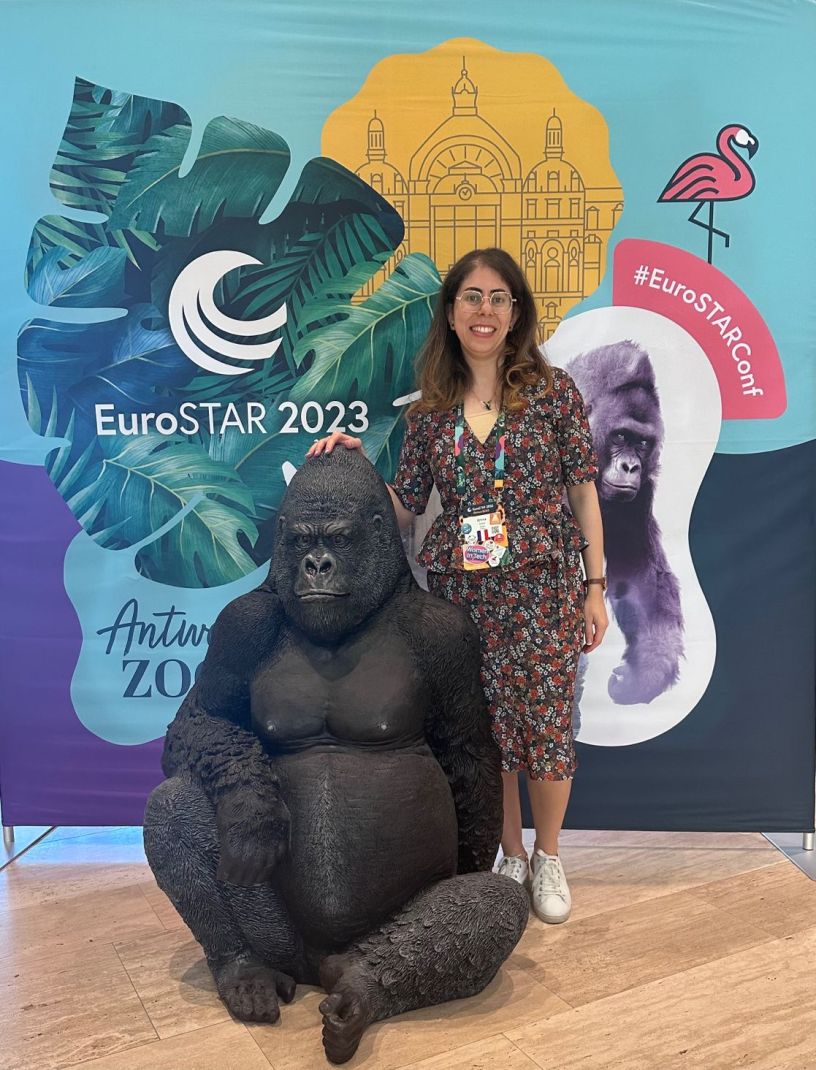
EuroSTAR 13-16 June 2023 Antwerp, Belgium
The first special thing about it, this conference is equal to my age so I feel like an extra celebration for me.
The second special thing about this conference is that every year they choose a different country and city within Europe, as an example last year location was Copenhagen, Danemark and this year was Antwerp, Belgium.
And the third special thing, the conference was hold in the ZOO which is quite special venue (you will notice that from the pictures)
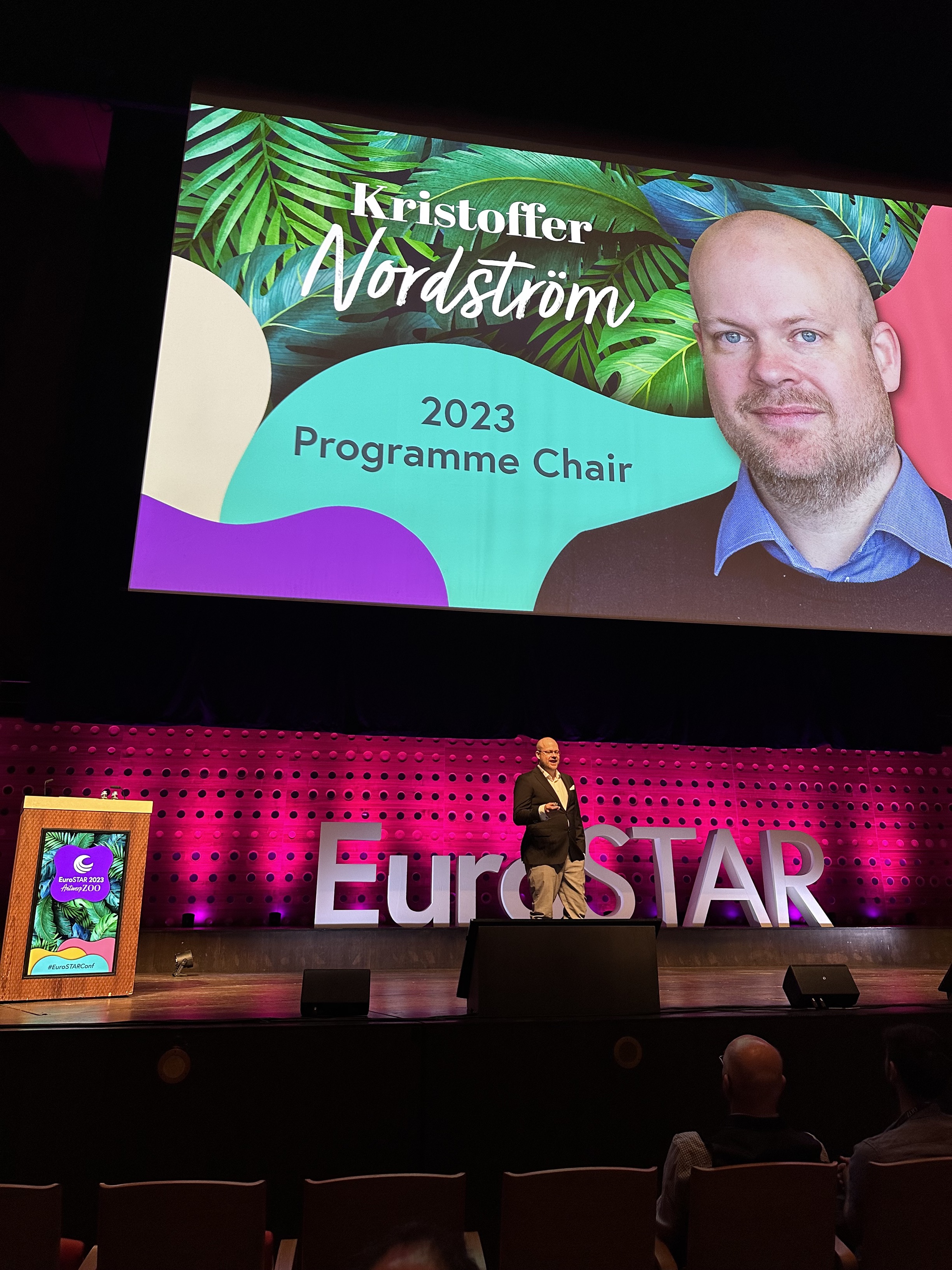
The program chair Kristoffer started the conference by presenting the theme of this edition “Software Development is A Social Activity” and why it is very important for us in the field of software testing.
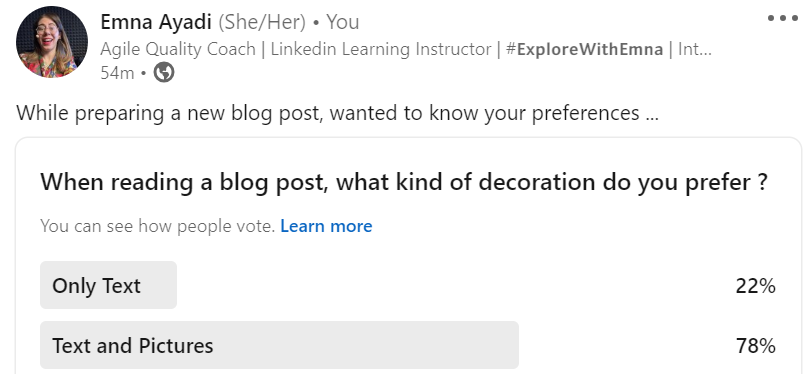
I asked my linkedin community what kind of decoration they want to see in my blog post. (I was refering to this blog post and thinking to add visuals to share with you the real conference vibes)
This was also aligned with your preferences, so I added some images for every section.
My Learnings and Takeways from This Conference
Let me share with you a brief summary of what I’ve learnt
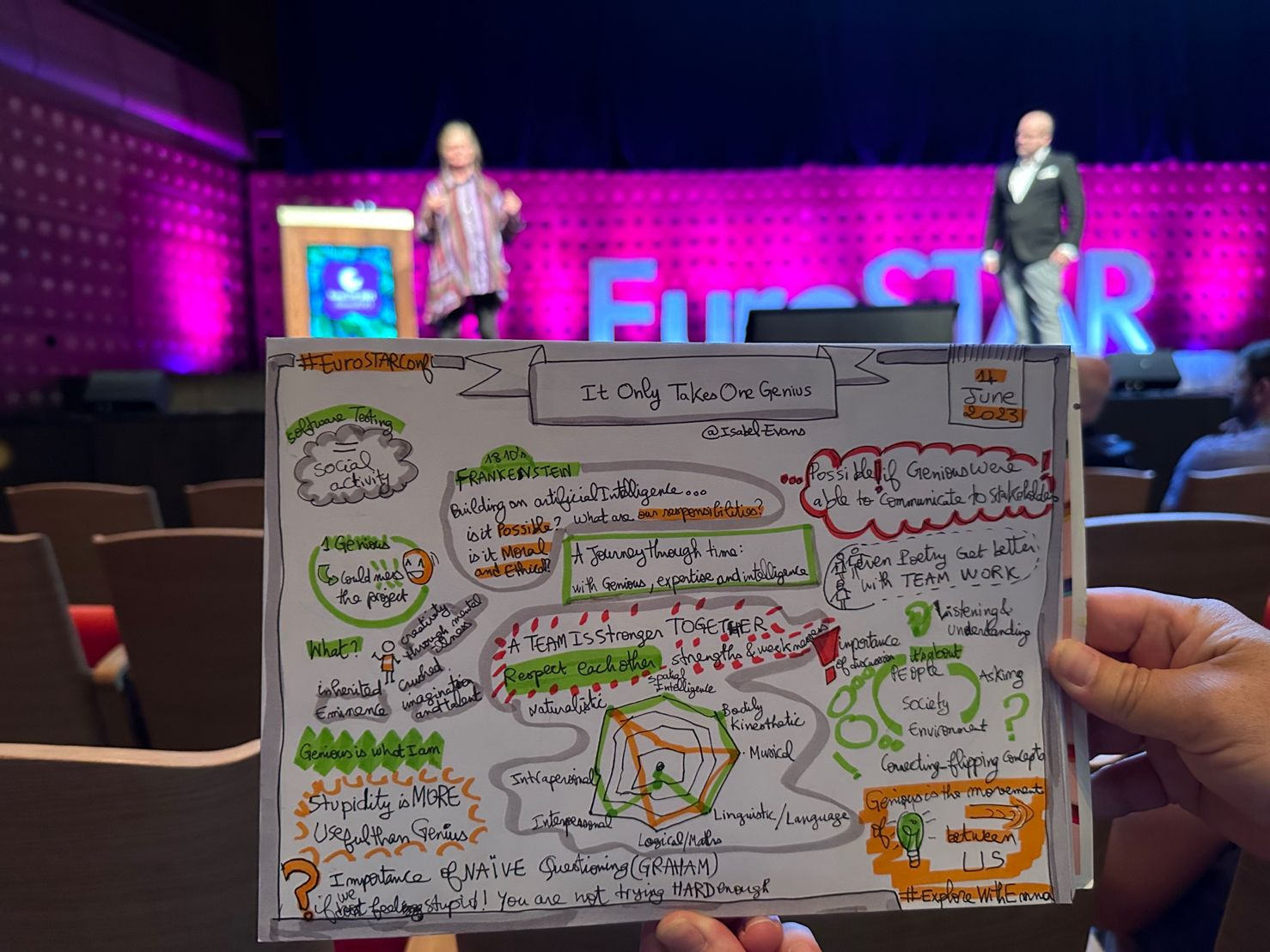
Isabel Evans opened the conference with her very inspiring keynote “𝗜𝘁 𝗢𝗻𝗹𝘆 𝗧𝗮𝗸𝗲𝘀 𝗢𝗻𝗲 𝗚𝗲𝗻𝗶𝘂𝘀” where she started saying that one genius could mess the project and that stupidity is even more useful than being genius, she highlighted the importance of naïve questions and how important is team work while respecting strengths and weaknesses because everyone has his own strengths and that mixture bring more growth.
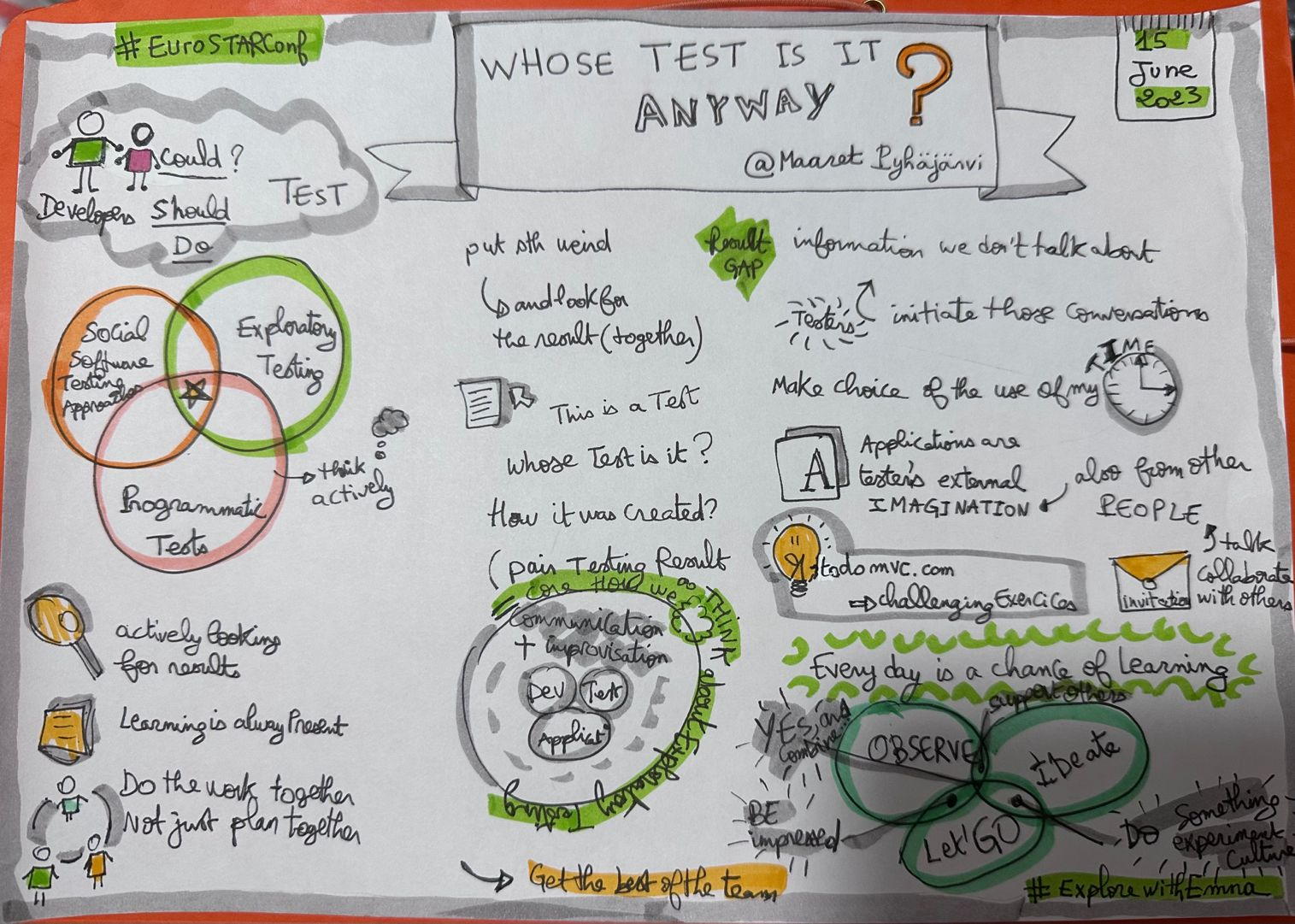
Maaret Pyhäjärvi keynote 𝐖𝐡𝐨𝐬𝐞 𝐓𝐞𝐬𝐭 𝐈𝐬 𝐈𝐭 𝐀𝐧𝐲𝐰𝐚𝐲? Testing is too important to be left for testers. Testing is too important to be left without testers. where she mentioned the results of delivery quality gap is much bigger where testing activity is assigned only to testers.
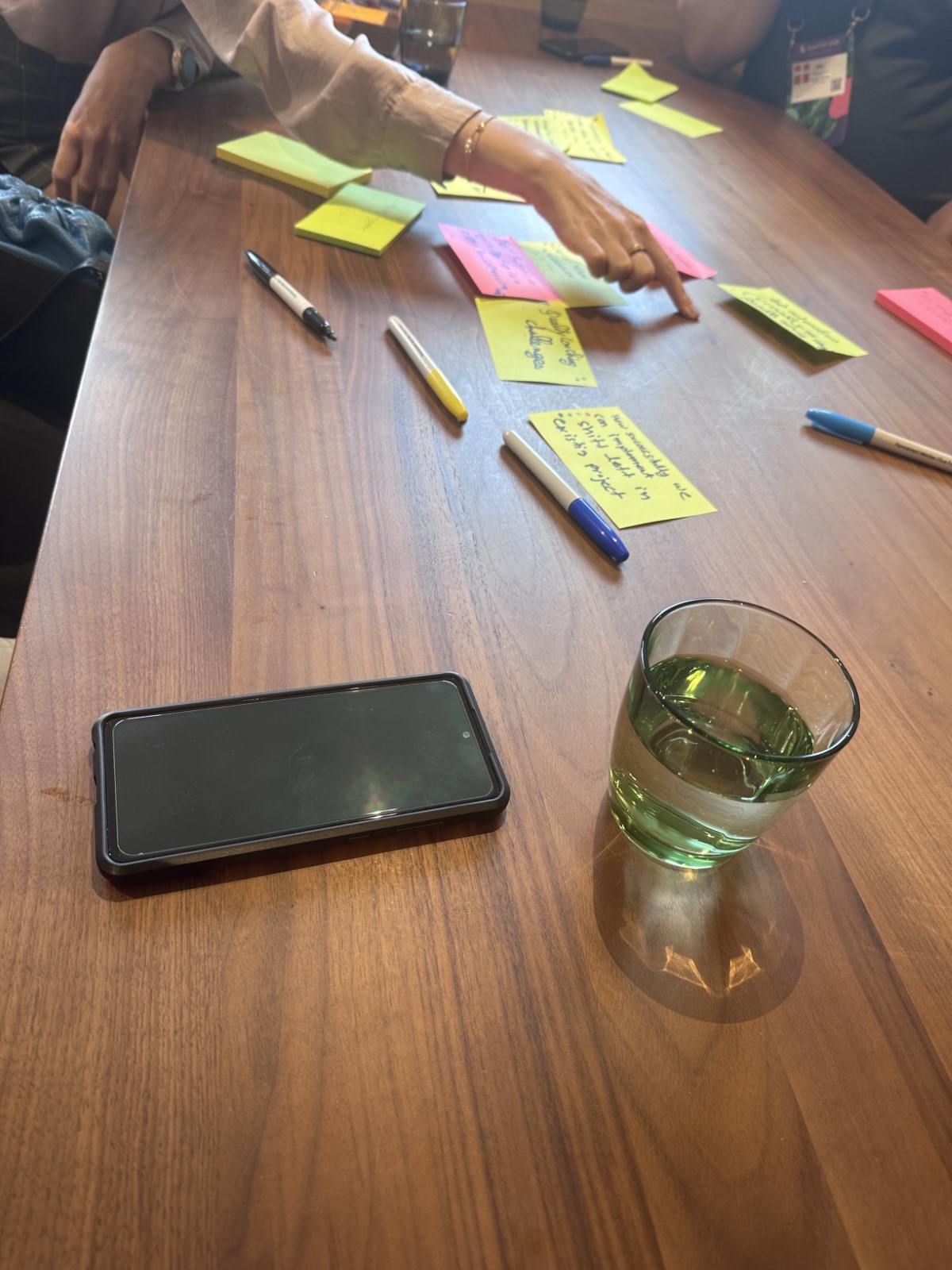
We had a lean coffee during the conference and the theme was 𝐓𝐞𝐬𝐭𝐢𝐧𝐠 𝐚𝐭 𝐬𝐜𝐚𝐥𝐞 ☕️ where we had great discussions about communities of practice in organizations and how to leverage test automation across various teams when it’s the same product and many teams are involved in
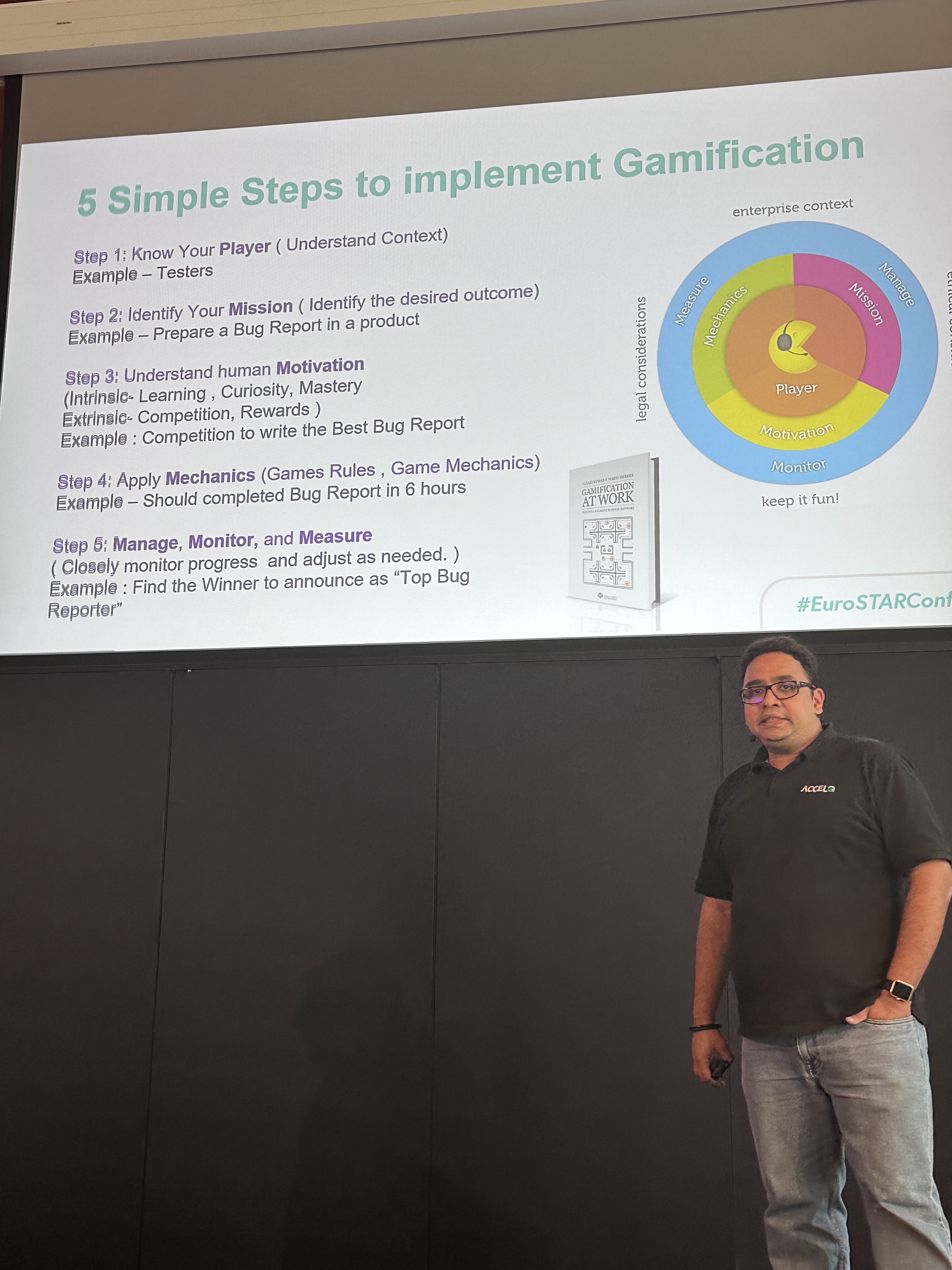
I hosted 2 sessions as a track chair, “𝗦𝗽𝗶𝗰𝗲 𝘂𝗽 𝘆𝗼𝘂𝗿 𝗧𝗲𝘀𝘁𝗶𝗻𝗴, 𝗮𝗻𝗱 𝗚𝗮𝗺𝗶𝗳𝘆 𝗶𝘁 𝗢𝘂𝘁!” by Geosley Andrades. He started with the history of gamification, it begins since 1896. “Gamification is the act of applying game-like characteristics to a non-game situation in order to increase ‘user’ interaction” where he mentioned that gamification is about Engaging and motivating teams. I learned 4Qs Model Gamification Design Steps which we can apply to testing:
WHY are we applying gamification ? GOAL
WHAT do we want people to do ? ACTIONS
WHO are we designing for ? PLAYERS
HOW can we design it ? SYSTEM
When gamification is applied to testing, there are different advantages :
Testers are motivated by the opportunity to get rewards and recognition.
Helps Boost knowledge absorption and retention.
Testers get real time feedback
Instill Transparency.
Improved Testers productivity and morale.
Builds healthy competition.
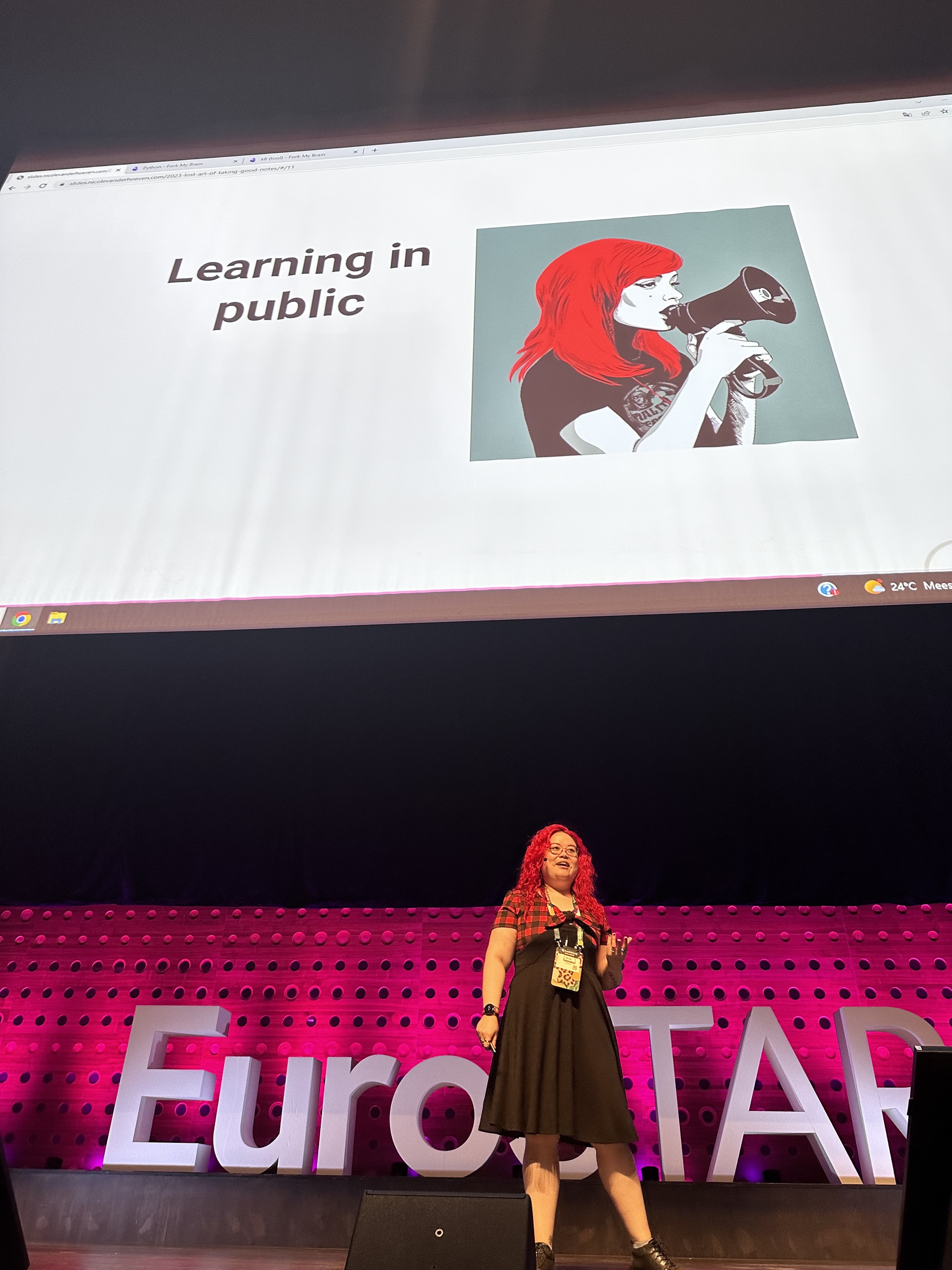
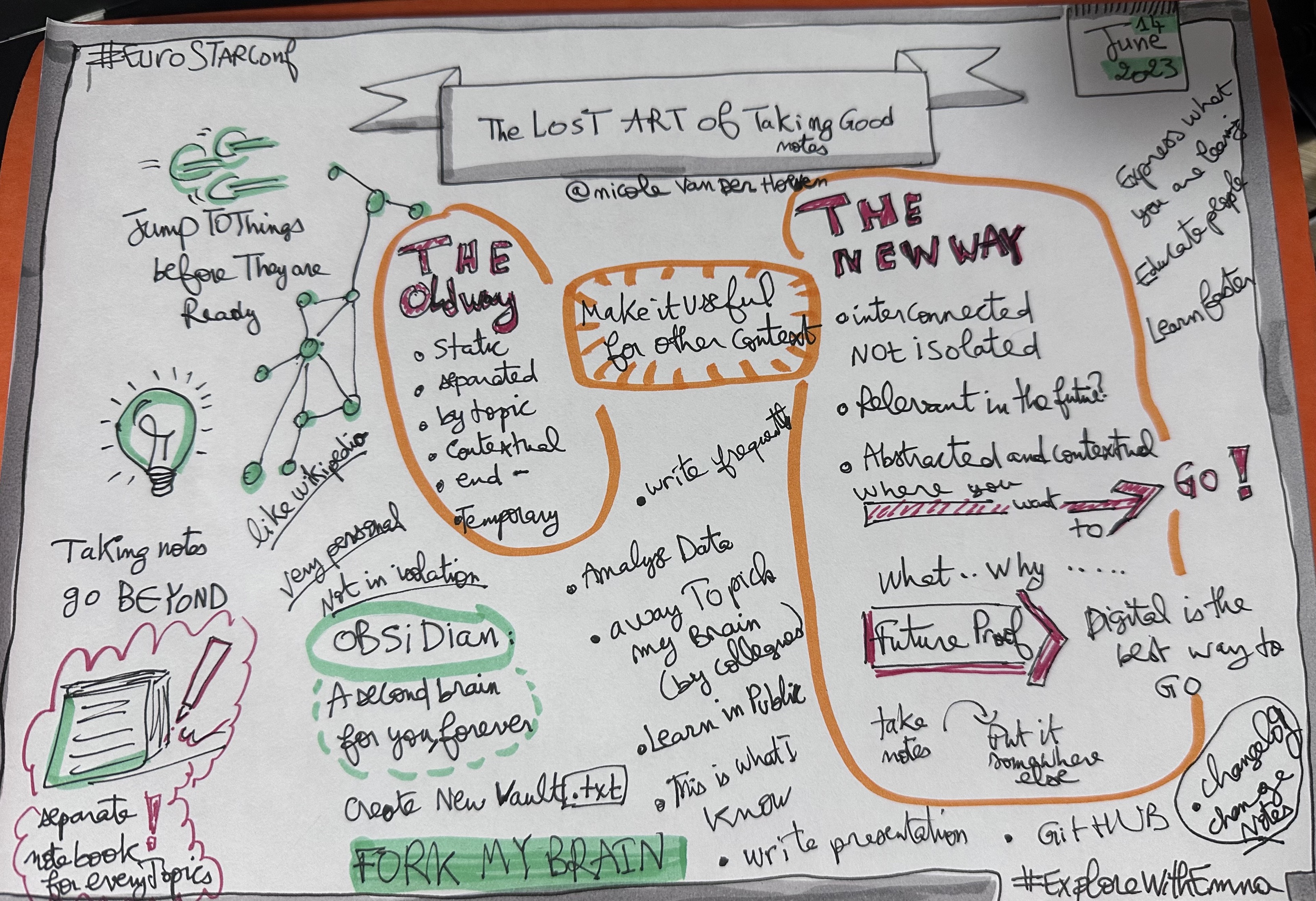
I was also track chair for this session “𝗧𝗵𝗲 𝗟𝗼𝘀𝘁 𝗔𝗿𝘁 𝗼𝗳 𝗧𝗮𝗸𝗶𝗻𝗴 𝗚𝗼𝗼𝗱 𝗡𝗼𝘁𝗲𝘀” by Nicole van der Hoeven She mentioned how she use a special way to take notes, the tool is called Obsidian. She mentioned that this tool has a powerful impact on you, on people you are working with and it’s like a way to have a second brain forever. And this helped her learn in public easier 🙂
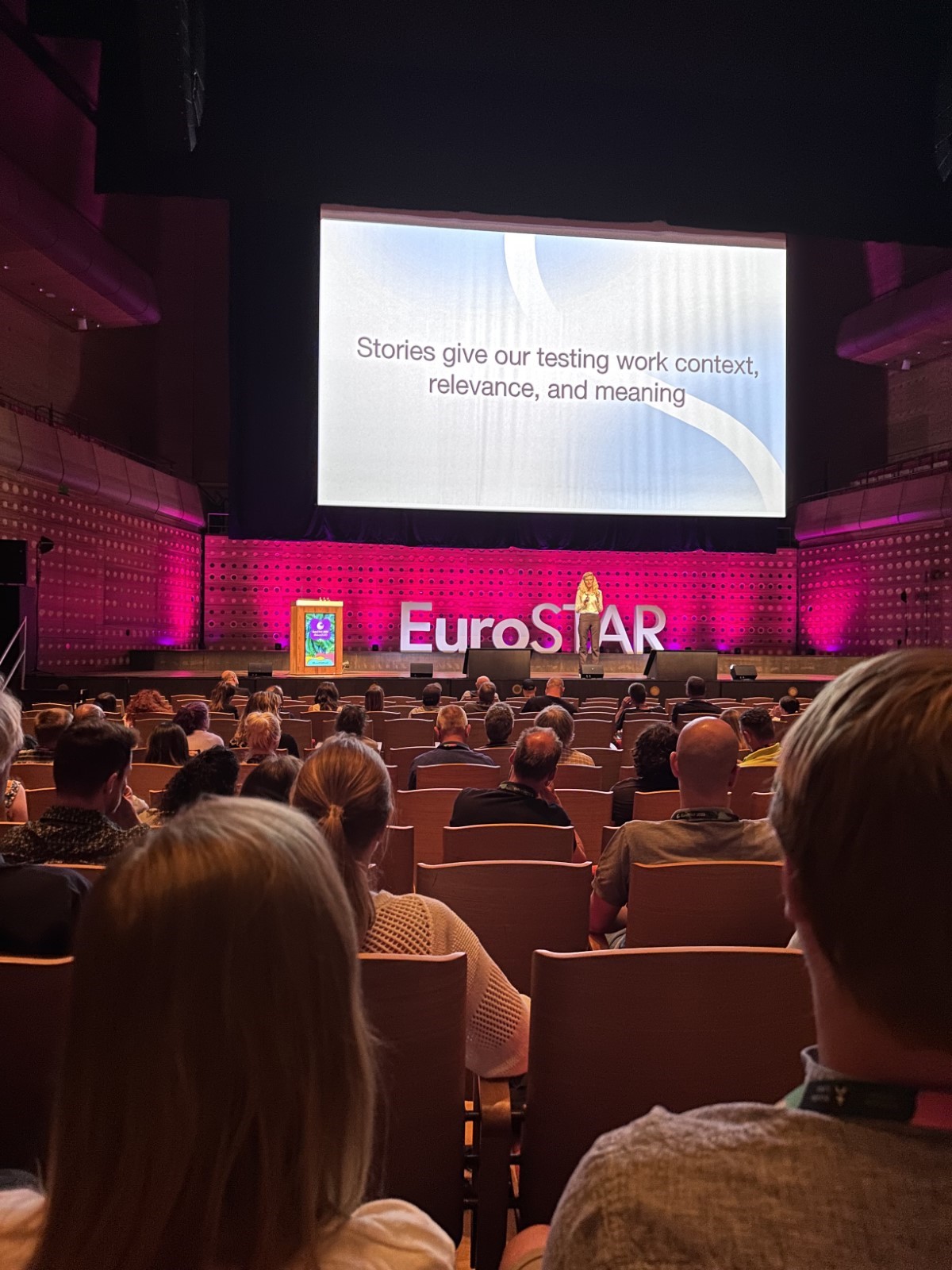
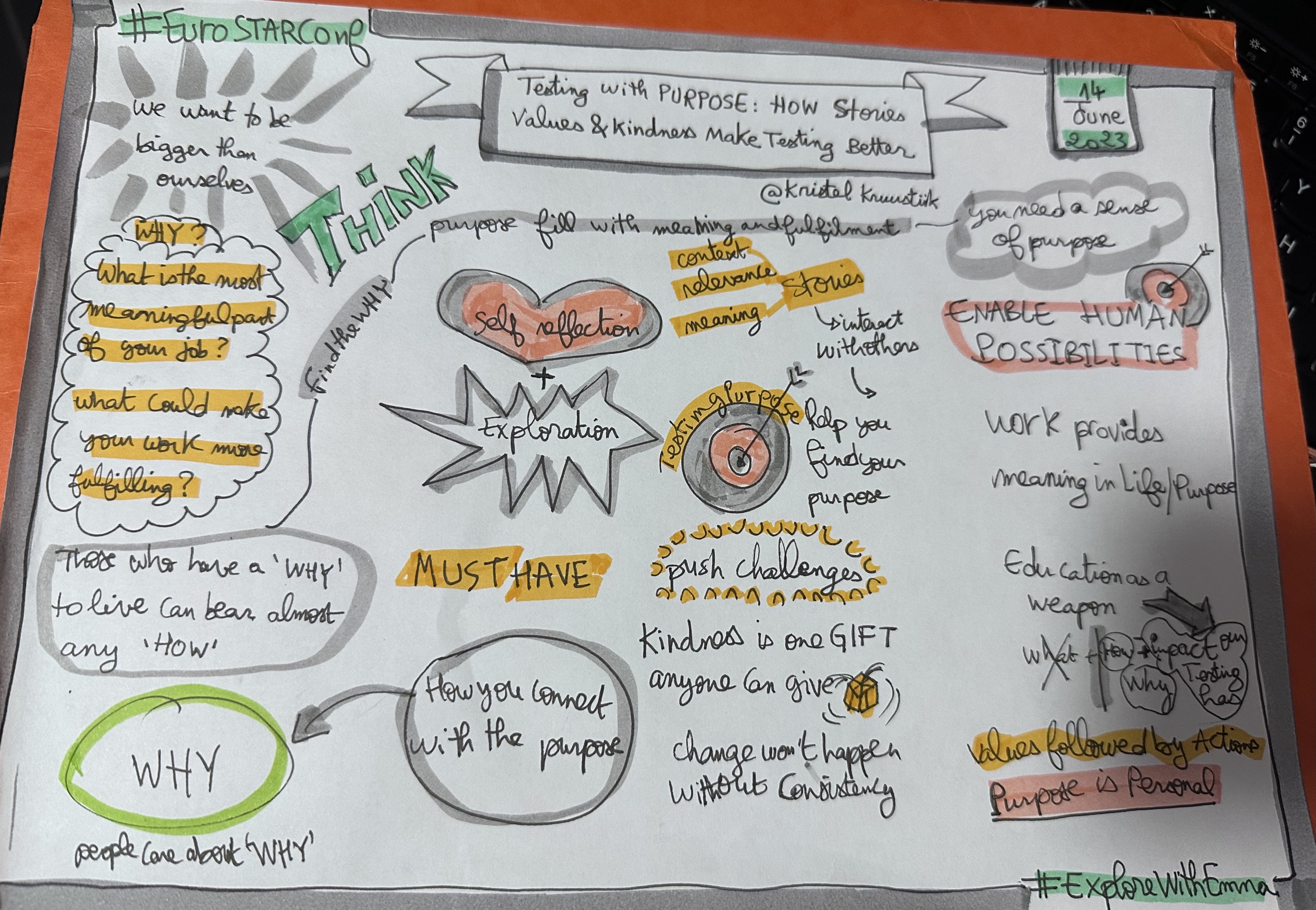
Another keynote by Kristel Kruustuk where she shared her insightful story and started with a mindful exercise “𝗧𝗲𝘀𝘁𝗶𝗻𝗴 𝗪𝗶𝘁𝗵 𝗣𝘂𝗿𝗽𝗼𝘀𝗲: 𝗛𝗼𝘄 𝗦𝘁𝗼𝗿𝗶𝗲𝘀, 𝗩𝗮𝗹𝘂𝗲𝘀 & 𝗞𝗶𝗻𝗱𝗻𝗲𝘀𝘀, 𝗠𝗮𝗸𝗲 𝗧𝗲𝘀𝘁𝗶𝗻𝗴 𝗕𝗲𝘁𝘁𝗲𝗿” “Those who have a ‘why’ to live, can bear with almost any ‘how’.”
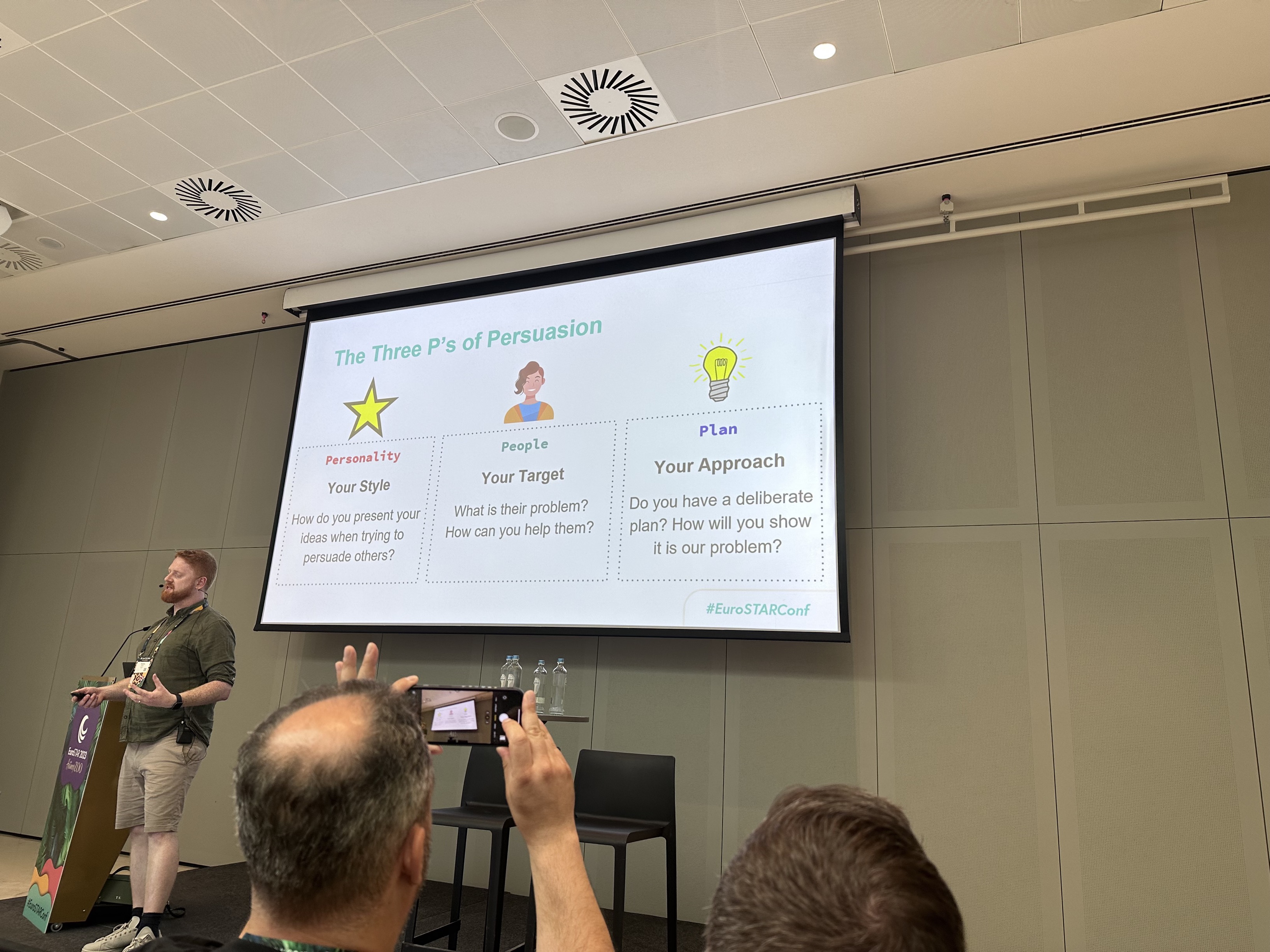
Another session by Thomas Shipley “Moving Cheese: The Art of Persuasion for Testers” where he gave practical examples and nice tips on how to deal with persuasion from different perspectives.
People want help with their problems
We often share the same problems
Solve problems without permission ==>Those ideas will certainly help improve quality !
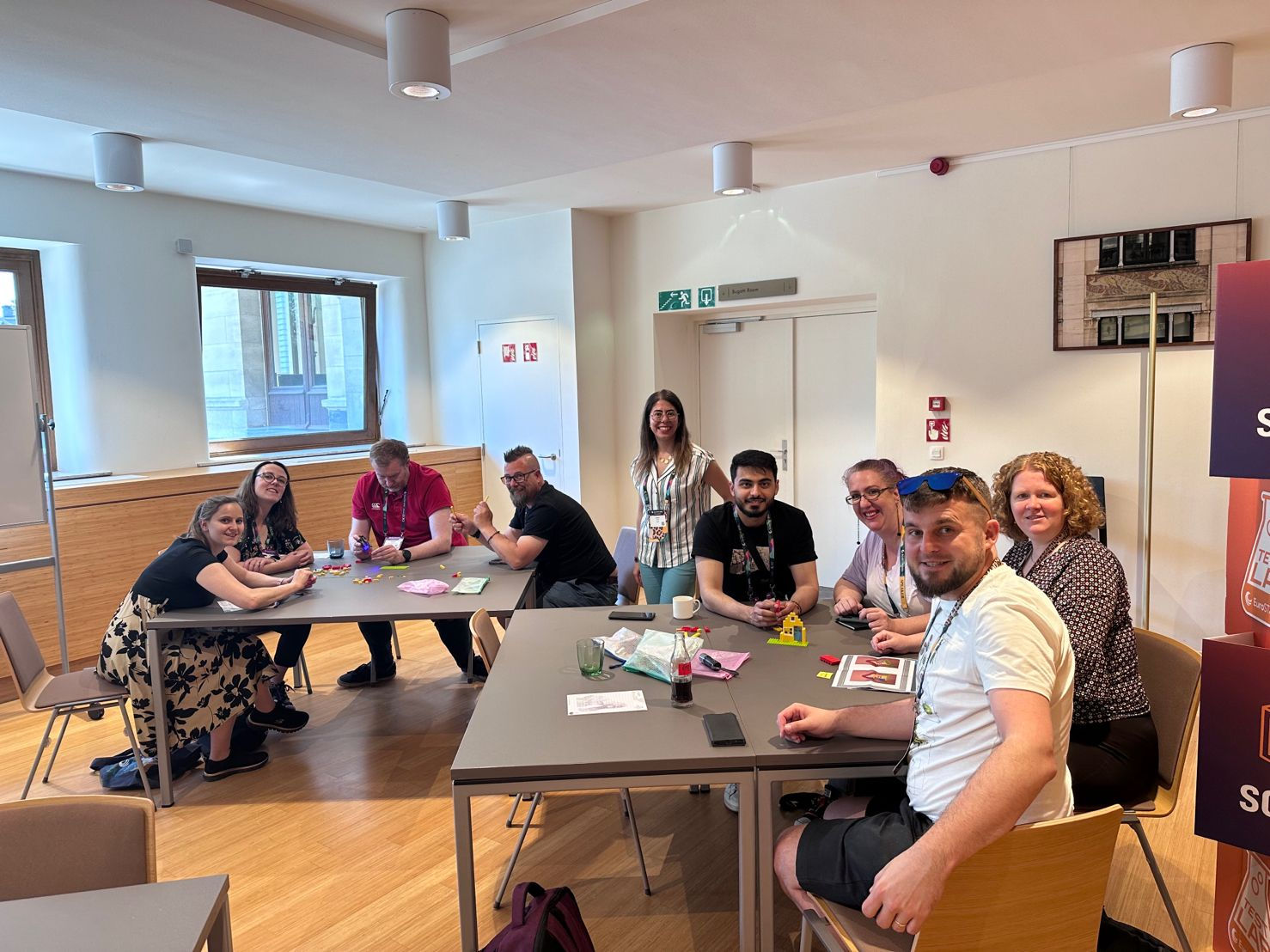
Lego experimentation was done in the TestLab where I hosted a session for 2 groups of participants to make them discover how we can enhance the use of gamification to explain different test varieties.
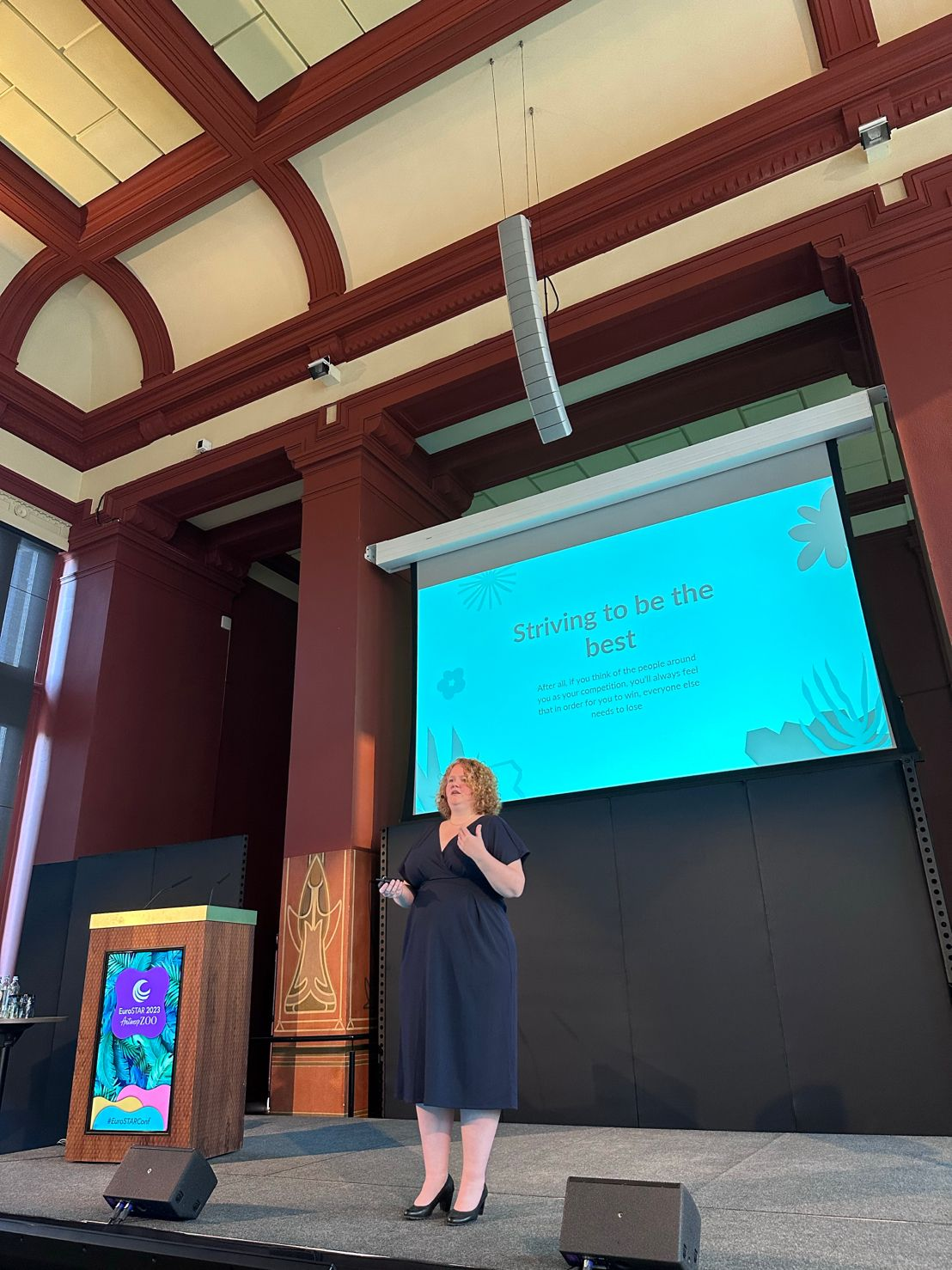
My colleague Sanne Visser, spoke about “𝐓𝐡𝐚𝐭 𝐖𝐡𝐢𝐜𝐡 𝐢𝐬𝐧’𝐭 𝐆𝐨𝐨𝐝 𝐟𝐨𝐫 𝐭𝐡𝐞 𝐇𝐢𝐯𝐞, 𝐢𝐬𝐧’𝐭 𝐆𝐨𝐨𝐝 𝐟𝐨𝐫 𝐭𝐡𝐞 𝐁𝐞𝐞, she mentioned the bad side of high competition when it becomes to organization level. She mentioned the importance of success when it’s about collaboration. The point is we can decide what success is. We can decide success when we all win. Her nice suggestion was to reward the most helpful employees.
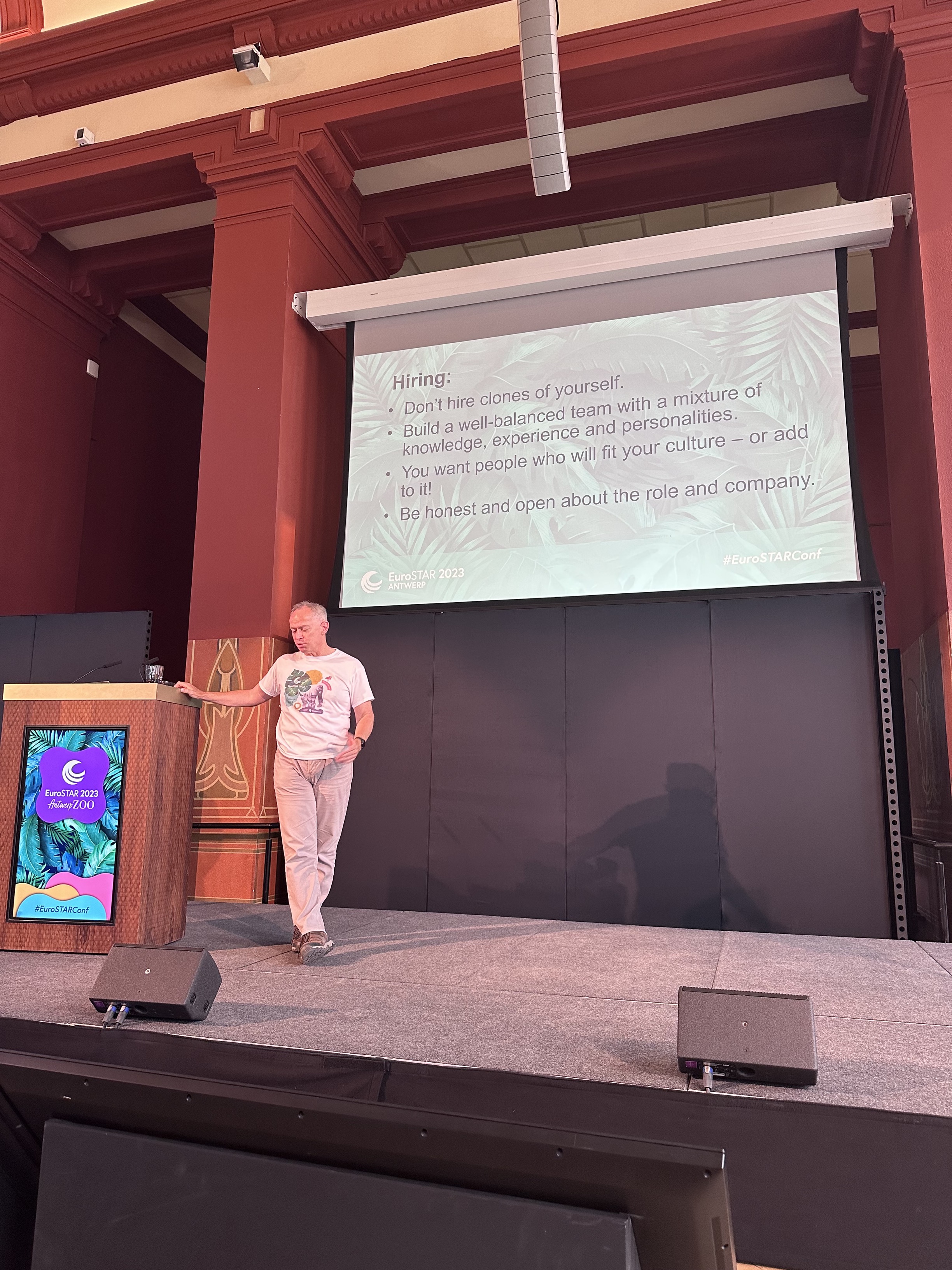
𝐓𝐡𝐞 𝐍𝐞𝐰 𝐓𝐞𝐬𝐭 𝐌𝐚𝐧𝐚𝐠𝐞𝐫’𝐬 𝐒𝐮𝐫𝐯𝐢𝐯𝐚𝐥 𝐆𝐮𝐢𝐝𝐞 by Kevin Harris where he highlighted the importance of good communication and how we can strive as test managers to improve testing. Start by looking at what your team does now, think about how they can do it better next time, help them do that.
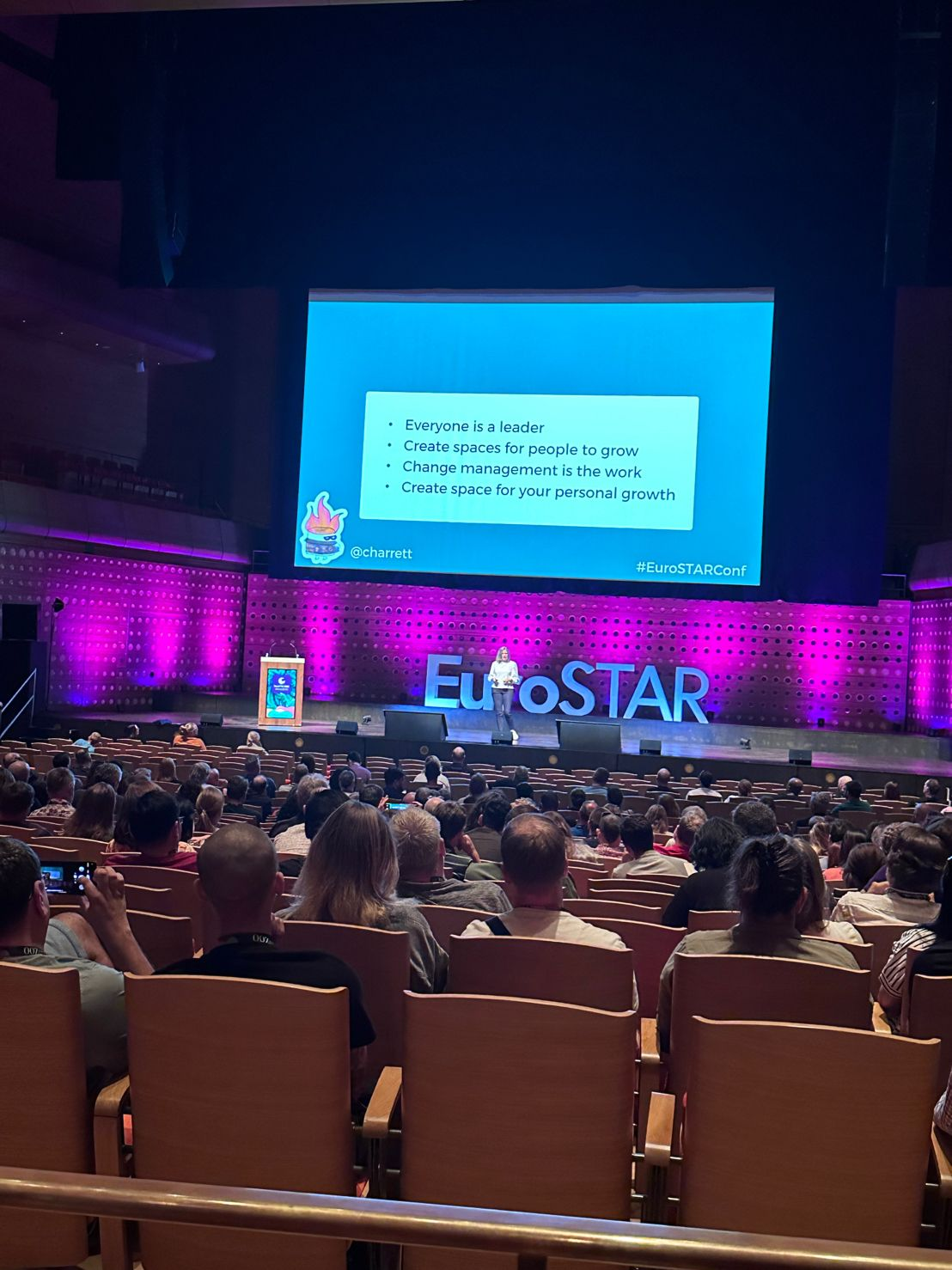
Anne-Marie Charrett Keynote 𝐋𝐞𝐚𝐝𝐞𝐫𝐬𝐡𝐢𝐩 𝐢𝐬 𝐄𝐯𝐞𝐫𝐲𝐨𝐧𝐞’𝐬 𝐑𝐞𝐬𝐩𝐨𝐧𝐬𝐢𝐛𝐢𝐥𝐢𝐭𝐲, she emphasizes that everyone is a leader and for that we need to create spaces for people to grow, change management is an important part of the work and mostly we need to create space for your personal growth within organization.
My Contribution to EuroSTAR Conference as a Speaker
This was my second time speaking at EuroSTAR conference, the previous one was last year.
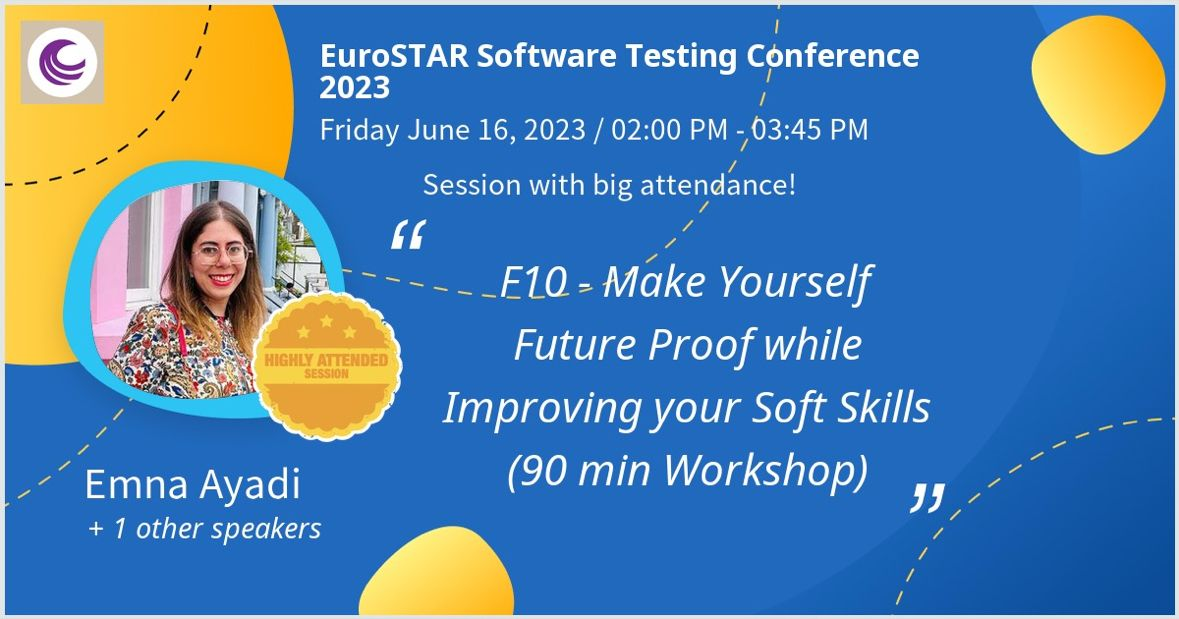
I co-facilitated a workshop called “Make Yourself Future Proof While Improving Your Soft Skills” with my co-speaker Ard Kramer.
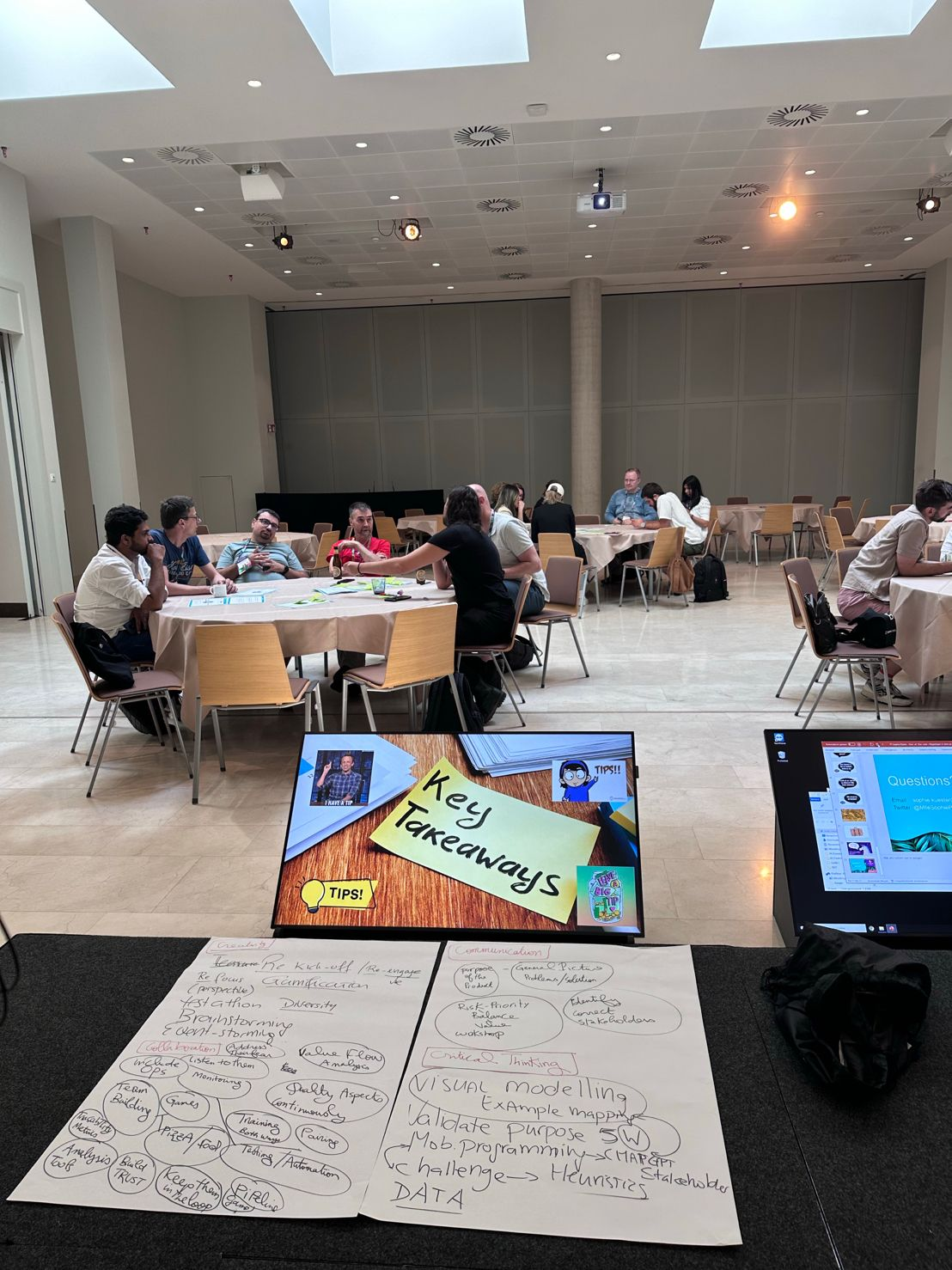
The setup of our workshop was built based on a real story with challenges that teams could face such as the absence of a product owner, the use of ChatGPT and problems we can encounter consequently, the move to DevOps and then need to switch towards continuous testing, some skills are not available within the team ….
For every problem we asked participants to focus on one of the skills (communication, collaboration, creativity, critical thinking) and to share their tips on how we can improve the use of soft skills in each situation.
During every round, we guided participants with various questions to help them reflect on every situation.
We also shared 1 story per skills from our book “21st Century Skills For Testers” and we had a debrief after each round, where every group of participants shared their findings.
Conclusion
I know the learnings are not limited to this blog post, in 4 days I attended to lots of session and I managed to do some sketchnotes for some of them.
This blog post is like a brief highlight but there are even more things that I can share with you, reach out for any question you might have about my experience or your thoughts about the way I document my learnings with community.
Thanks for reading the entire blog, wanna see more of my content ?
If yes, let me invite you to follow my hashtag #ExploreWithEmna for more adventures in software testing.